
A home warranty is a one-year service contract that pays to repair or replace listed systems and appliances when they wear out from normal use. It can be worth it for an older house with an aging furnace and water heater, if you read the caps and exclusions first. It is not insurance against fire or storms, and it does not fix what the inspector already found.
Buying a house and the seller offered a home warranty? Call Sash at (219) 808-1520.
It is Monday evening, November 9, in a basement in Highland.
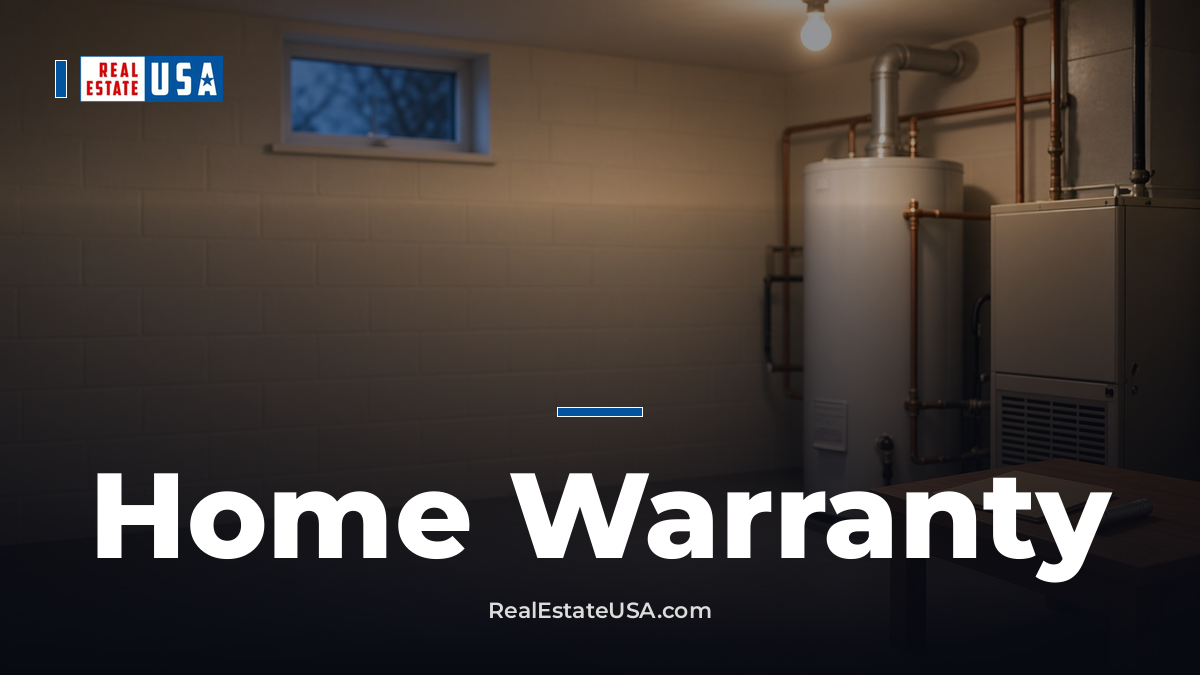
One bulb hangs over the furnace. The small window up by the ceiling has gone dark blue. A water heater stands next to the furnace with copper lines running up the block wall, and a flashlight rests on a little wooden bench beside a closed folder.
The buyers came back for a second look during their inspection window. The inspection report said the water heater is about 14 years old and still working. The furnace is a little younger. Neither one is broken.
Inside the folder is the seller’s answer to their repair request. No new water heater. Instead, the seller will pay for a one-year home warranty.
One of the buyers shines the flashlight on the tank and asks what we hear in a lot of basements this time of year.
Is that a good trade?
Here is how to figure that out before you sign.
What a home warranty is
A home warranty, sometimes called a home service contract, is a plan you pay for once a year. When a covered item breaks from normal wear, you call the company. It sends a contractor it works with, and you pay a set service fee for the visit. The plan pays the rest, up to its limits.
The District of Columbia Attorney General puts it plainly in a consumer alert. Home warranties probably do not cover as much as you may think. Many limit replacements, cap what they pay, and skip roofs, windows, and structural problems.
We keep short buyer answers on Ask Realest. This guide goes slower, with the contract in your hand.
What a home warranty is, and what it is not
| Protection | What it pays for | Who sets it up |
|---|---|---|
| Home warranty | Breakdowns of listed systems and appliances from normal use | Optional. Seller, buyer, or no one |
| Homeowners insurance | Sudden damage like fire, wind, hail, and theft | Required by your lender |
| Builder warranty | Workmanship and systems on new construction, per the builder’s terms | Comes with a new build |
| Inspection repair or credit | A specific problem the inspector found before closing | Negotiated in the inspection window |
Checked November 9, 2026. Coverage depends on the exact contract or policy. Read yours before you rely on it.
What it can cover, and what it skips
Plans differ, but the list of covered items tends to include heating, cooling, plumbing, electrical, the water heater, and kitchen appliances. Some plans charge extra for things like a pool, a sump pump, or a well pump.
The exclusions matter more than the list. The DC alert names wear and tear, natural disasters, manufacturer defects, and failure to follow maintenance steps as common reasons a repair is not paid. Consumer Reports found plans that covered a refrigerator but not its icemaker, and a water heater but not the tank itself.
Then there are dollar caps. The DC alert gives the example of a plan that paid $1,600 toward a $12,000 boiler. Your plan will have its own numbers. Find them before you count on the plan.
Read these five lines before you accept one
| Line in the contract | What to look for | Question to ask the company |
|---|---|---|
| Covered items | A full list of systems and appliances by name | Is the water heater tank covered, or only parts of it? |
| Service fee | A set fee for each visit, even if the claim is denied | What do I pay for each visit, and per what? |
| Dollar caps | A limit per item, per system, or per year | What is your cap to replace a furnace? |
| Exclusions | Pre-existing problems, skipped maintenance, code upgrades, permits | Will you use my inspection report to deny a claim? |
| Contractor and disputes | Who picks the repair company, and how complaints are settled | Can I use my own contractor, and is there an arbitration clause? |
These are the lines we read first with buyers. The answers belong in writing, from the company, before closing.
A warranty is not a repair
This is the part that trips buyers up. If your inspector found a problem, the plan may treat it as something that existed before coverage began. That can mean a denied claim on the exact item you were worried about.
So be clear with yourself about the trade. Under your inspection contingency, you can ask the seller for a repair, a price change, or a credit. A credit is spelled out in our guide to seller concessions. A one-year plan is a fourth option. It works best for things that are old but fine, not for things that are already failing.
In the Highland basement, the water heater is working. It is just old. That is where a warranty can make sense, as long as the contract covers the tank and the cap is high enough to matter.
Who pays, and where it shows up
A seller can offer a plan up front, or a buyer can ask for one in the offer or after the inspection. When the seller pays, the cost shows up as a seller charge on the closing papers. Check that it is there when you review your Closing Disclosure.
You can also skip it. Consumer Reports has long suggested putting the money you would spend on a plan into a savings account for repairs instead. If the house is new, the builder warranty and manufacturer warranties may already cover the big items.
How Indiana handles home warranties
Indiana has no statute written just for home warranties. The Indiana Department of Insurance explains in Bulletin 210 that the state definition of insurance includes many service contracts. A 2014 law took car service contracts out of that definition, but the bulletin says the Department keeps applying the conditions in Bulletin 78 to many contracts covering homes, personal goods, and utilities.
Those conditions include a backing insurance policy named in the contract, and a right to claim directly against that insurer if a repair request is not answered within 60 days. Look for the insurer’s name in your contract. If a company will not tell you, ask the Department about it before you sign.
Back in the basement in Highland
The buyers open the folder on the bench and find the sample contract. The water heater is listed. The tank is too. The cap for a water heater replacement is printed on page three, and the service fee is on page one.
They write two questions on the back of the folder. Does the plan count a 14-year-old tank as pre-existing? Can they pick their own plumber? They will call the company in the morning, before they answer the seller.
Then they turn off the light. Before winter sets in, they plan to read our guide to winterizing a house and check the homeowners insurance quote too. New to town? See our Highland moving guide and the Highland page on Realest.
Work with Realest
Talk to a Realest agent
Buying in Northwest Indiana and not sure whether to ask for a home warranty, a repair, or a credit? Call Sash, or take a look at homes for sale.
Call Sash at (219) 808-1520
Search homes for sale
Selling and thinking about offering a plan? Ask for your home value or call Sash at (219) 808-1520.
Would you rather write? Send us a note.
Weighing a repair, a credit, or a home warranty right now? Send us a note and we’ll go through the contract with you.
Sash Joveski and Pamela “Pam” Joveski are founding members of Realest. Pam’s number is (219) 801-0432. Realest is licensed in Indiana and Illinois and is at 112 S. Main St., Suite B, Crown Point.
The basement photo was generated for this guide on November 9, 2026, then cropped with text added. Shown for illustration only. It is not a Realest listing or a specific Northwest Indiana address.
Home warranty contracts, prices, and state rules vary and can change. This is general information, not legal or insurance advice. Read the contract and check with the Indiana Department of Insurance or an attorney. The Highland buyers are an example, not real clients.
Sources
- Bulletin 210, Service Contracts, Indiana Department of Insurance (June 26, 2014)
- Bulletin 78, service contracts and reimbursement insurance, Indiana Department of Insurance (Nov. 10, 1992)
- Consumer Alert: Home Warranties, Office of the Attorney General for the District of Columbia
- What to Know About Buying a Home Warranty, Consumer Reports
- Ask Realest
- Home inspection contingency, Real Estate USA
Ask Realest
Got a short question about a home warranty, a repair request, or what the seller has to tell you?
Ask Realest answers short buyer and seller questions in plain English. For what an Indiana seller has to put in writing, see Ask Realest on the Indiana seller disclosure and our seller disclosure form guide.
When you’re ready to talk it through, contact us or call Sash at (219) 808-1520.
FAQ
What is a home warranty?
A home warranty is a one-year service contract that pays for repair or replacement of certain home systems and appliances when they break from normal use. Think furnace, water heater, plumbing, electrical, and kitchen appliances. You call the company, it sends a contractor, and you pay a service fee for each visit. It is not homeowners insurance.
Does a home warranty cover a furnace or water heater that is already old?
It can, but read the exclusions first. Contracts can exclude problems that existed before coverage started, damage from skipped maintenance, and parts the plan does not list. Ask how the company decides whether a problem was there before closing, and whether the inspection report can be used against a claim.
Who pays for a home warranty when you buy a house in Indiana?
Either side can. A seller can offer a one-year plan as part of the deal, or a buyer can ask for one in the offer or after the inspection. The cost then shows up on the closing papers as a seller credit or a seller charge. A buyer can also buy a plan on their own after closing.
Is a home warranty regulated in Indiana?
Indiana has no law written just for home warranties. The Indiana Department of Insurance says many service contracts fit the state definition of insurance, and its Bulletin 210 says it keeps applying the conditions of Bulletin 78 to many contracts covering homes. Ask the Department how it treats a specific company’s contract.
Is a home warranty the same as homeowners insurance?
No. Homeowners insurance covers sudden damage like fire, wind, and theft, and your lender will require it. A home warranty covers breakdowns of listed systems and appliances from normal use. Many buyers have both, and one never replaces the other.
How do I talk to Realest about a home warranty in my offer?
Call Sash at (219) 808-1520 or use our contact page. We’ll go over whether to ask for a plan, a repair, or a credit, and how each one shows up at closing.