
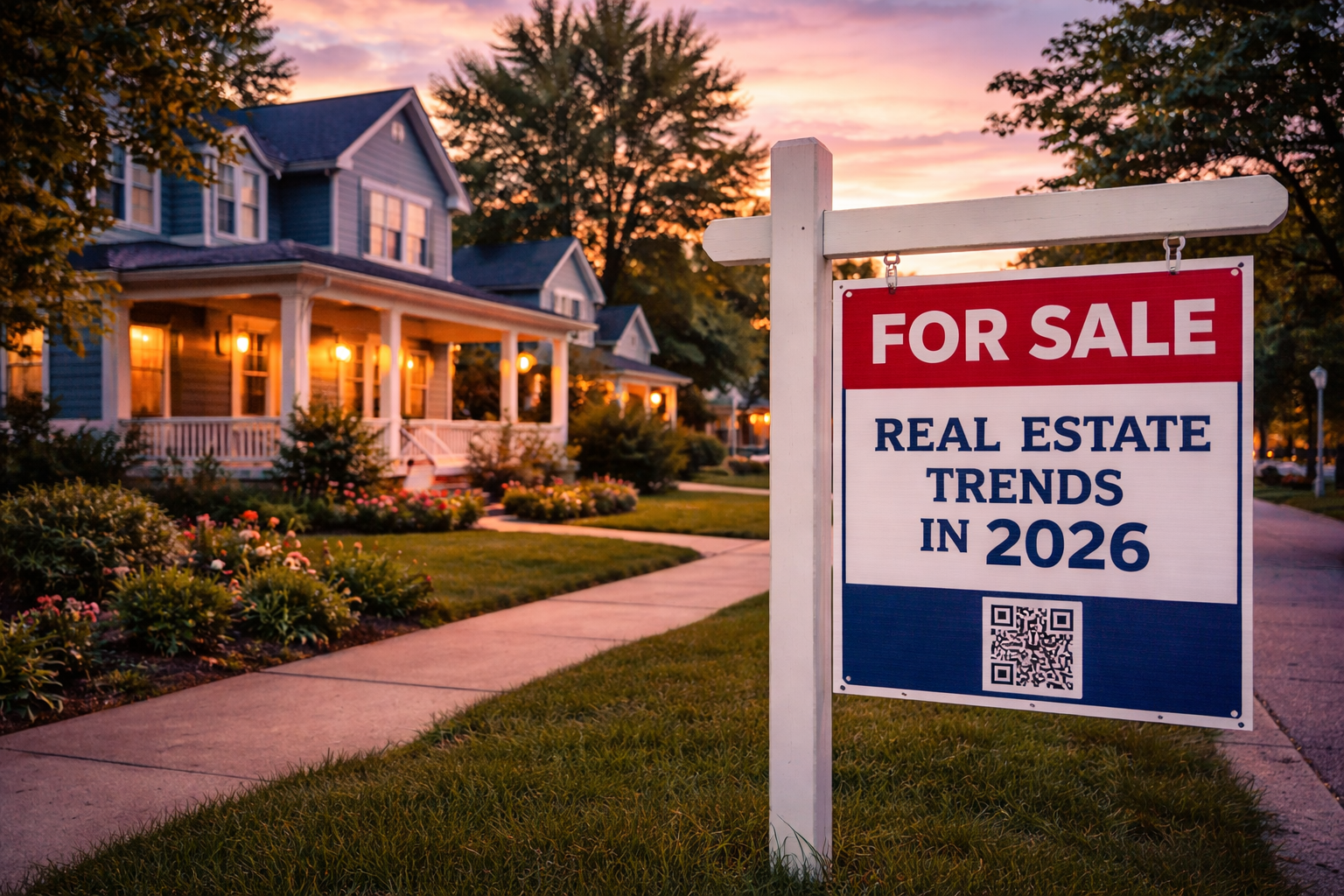
Why Housing Decisions in 2026 Are Shifting Toward Lifestyle, Stability, and Long-Term Value
For years, housing decisions were driven by urgency. Buyers reacted to interest rates, inventory shortages, and fear of missing out. In 2026, the conversation has changed.
Across the country, buyers are stepping back and asking different questions. Instead of focusing only on price or timing, they are evaluating how a home fits into the rhythm of their lives.
This shift is not dramatic. It is deliberate. And it is reshaping housing markets in ways that feel quieter, but far more durable.
The End of Urgency-Driven Buying
The intense urgency that defined earlier housing cycles has softened. While demand still exists, buyers are no longer acting out of fear.
Instead of asking “Can I win this home?”, buyers are asking:
- Will this location support my daily routine?
- Are my housing costs predictable?
- Does this community still work if my career or family needs change?
This mindset has slowed decision-making in some markets, but it has also created healthier transactions. Buyers feel more confident because they understand why they are choosing a place, not just how fast they can close.
Lifestyle Has Become a Primary Metric
Lifestyle considerations now rival price as a decision factor. Buyers are increasingly sensitive to how their surroundings influence daily life.
This includes:
- Commute predictability rather than raw distance
- Access to local restaurants, coffee shops, and services
- Neighborhood walkability and green space
- A sense of identity and community involvement
Communities that integrate housing with everyday needs tend to retain residents longer. When people feel connected to where they live, housing becomes less transactional and more intentional.
Stability Is the New Luxury
Luxury in 2026 looks different than it did a decade ago.
Rather than excess square footage or premium finishes, buyers increasingly value stability. Predictable taxes, consistent municipal services, and well-funded school systems are viewed as forms of long-term security.
This shift explains why markets that avoid extreme swings often outperform flashier areas over time. Buyers want confidence that their housing choice will remain functional even if external conditions change.
Why Midwest Markets Continue to Gain Attention
Midwest housing markets have benefited from this recalibration. Many offer attainable housing paired with infrastructure that supports everyday life.
Rather than relying on speculative appreciation, these markets tend to grow steadily. Buyers moving from larger metros often find relief in environments that feel navigable rather than overwhelming.
Indiana, in particular, has drawn attention from buyers seeking balance between affordability, accessibility, and community structure.
Community Design and Long-Term Satisfaction
Community design plays a larger role in satisfaction than many buyers anticipate.
Neighborhoods built around identifiable centers—schools, downtowns, public spaces—create natural gathering points. These spaces foster social connection, which directly influences how long people stay in their homes.
Communities with visible civic engagement tend to weather economic shifts more effectively. When residents feel invested beyond their own property, stability follows.
Rethinking Commute and Proximity
Commute considerations have evolved. Distance alone no longer defines convenience.
Predictability, flexibility, and infrastructure quality matter more than speed. Some buyers accept longer commutes if the experience is calmer and more consistent.
This shift has expanded housing search areas without diluting demand. Buyers are choosing balance rather than immediacy.
Long-Term Value Over Short-Term Appreciation
Speculative appreciation has lost some of its appeal. Buyers in 2026 are less focused on short-term gains and more interested in durability.
Homes that support adaptability—changing family size, remote work, evolving finances—are increasingly favored.
Markets that encourage this kind of ownership tend to feel more resilient and less reactive.
Frequently Asked Questions
Is 2026 a good time to buy a home?
For buyers focused on long-term value and lifestyle alignment, 2026 supports thoughtful, well-informed decisions rather than rushed action.
Why are buyers less focused on price alone?
Carrying costs, daily quality of life, and long-term planning now weigh more heavily than purchase price alone.
Are Midwest housing markets expected to remain stable?
Many Midwest markets benefit from diversified economies and attainable housing, contributing to relative stability.
How important is community design?
Community layout strongly influences satisfaction, retention, and long-term market resilience.
Closing Perspective
Housing decisions in 2026 reflect a broader cultural shift toward intentional living. Buyers are no longer asking what they can win in the market. They are asking what will last.
Communities that support clarity, balance, and long-term stability are positioned to remain relevant well beyond the current cycle.